
Beyond the Chair: Building a Strong Dental Practice Brand Online

Digital Floss • September 9, 2025

In the past, a dental practice's brand was largely defined by its physical location, the dentist's reputation within the community, and word-of-mouth referrals. While these elements remain important, the digital age has dramatically expanded the scope of what constitutes a strong dental practice brand. Today, your brand extends far beyond the four walls of your office; it lives online, shaped by your website, social media presence, online reviews, and every digital interaction a potential patient has with your practice. Building a cohesive, compelling, and authentic online brand is no longer a luxury—it's a necessity for attracting new patients, fostering loyalty, and standing out in a competitive market.


At Digital Floss, we understand that a powerful online brand is the bedrock of sustainable growth for dental practices. It's about more than just a logo or a color scheme; it's about communicating your unique philosophy, values, and the exceptional patient experience you offer. This article will delve into the critical components of building a strong dental practice brand online, exploring how to define your unique identity, consistently convey your message across all digital channels, and cultivate a reputation that resonates with your ideal patients, ultimately driving both trust and patient acquisition.


Defining Your Unique Dental Practice Brand Identity: What Makes You, YOU?

Before you can effectively build a strong online brand, you must first clearly define what your brand stands for. This isn't about creating something artificial; it's about articulating the authentic essence of your practice. Your brand identity is the sum of your values, mission, personality, and the unique experience you offer patients. It’s what differentiates you from every other dental office in your area.


To define your unique brand identity, consider the following questions:

  • What is Your Practice’s Core Philosophy and Mission? Are you focused on gentle, anxiety-free dentistry? Do you specialize in cutting-edge cosmetic transformations? Is your practice family-centered, emphasizing preventive care for all ages? Clearly articulate your overarching purpose and the guiding principles that inform every decision.

  • Who is Your Ideal Patient? Are you targeting young families, busy professionals, seniors, or patients seeking specialized treatments? Understanding your ideal patient helps you tailor your messaging, services, and overall brand experience to resonate with them specifically.

  • What is Your Practice’s Personality? Is your practice formal and highly clinical, or warm, friendly, and approachable? Is it innovative and technology-driven, or more traditional and community-focused? Your brand personality should reflect the atmosphere and interactions patients experience in your office.

  • What are Your Unique Selling Propositions (USPs)? What makes your practice different or better than your competitors? This could be anything from specialized services, advanced technology, a unique patient comfort approach, exceptional customer service, or a highly experienced team. Identify 2-3 key differentiators.

  • What is the Patient Experience You Want to Create? From the moment a patient contacts your office to their post-treatment follow-up, what feelings and impressions do you want them to have? Is it comfort, trust, expertise, efficiency, or a sense of being truly cared for?


Once you have a clear understanding of these elements, you can distill them into a concise brand statement that serves as the foundation for all your online and offline marketing efforts. This statement will guide your messaging, visual identity, and content creation, ensuring consistency and authenticity across all touchpoints. For example, a brand statement might be: "We are a family-focused dental practice dedicated to providing gentle, comprehensive care using the latest technology, ensuring every patient feels comfortable, informed, and confident in their smile."


Digital Floss works closely with dental practices to uncover and articulate this unique brand identity, translating it into a compelling narrative that attracts the right patients and fosters lasting relationships.


Consistently Conveying Your Brand Across All Digital Channels

Once your dental practice’s unique brand identity is clearly defined, the next crucial step is to ensure this identity is consistently and compellingly conveyed across every digital channel. Inconsistency can confuse potential patients and dilute your brand message. A strong online brand is built on a unified presence that reinforces your values and personality at every touchpoint.


Here’s how to achieve consistent brand messaging across your digital ecosystem:


1.Your Website: The Digital Home Base:

  • Visual Identity: Your website’s design (colors, fonts, imagery, logo) must directly reflect your brand personality. If you’re a modern, high-tech practice, your site should look sleek and innovative. If you’re warm and family-friendly, it should feel inviting and comfortable.
  • Messaging and Tone: The language used throughout your website should align with your brand voice. Is it professional and authoritative, or friendly and empathetic? Ensure your mission, philosophy, and USPs are clearly articulated on key pages (About Us, Services, Homepage).
  • Patient Experience: The user experience (UX) of your website should mirror the in-office experience. Is it easy to navigate? Is scheduling an appointment seamless? A frustrating online experience can deter potential patients.


2.Social Media: Your Brand’s Personality Showcase:

  • Platform-Specific Adaptation: While your core brand message remains consistent, adapt your content and tone to suit each platform. Instagram is visual and personal, LinkedIn is professional and authoritative, Facebook is community-focused. Your brand personality should shine through, but in a way that feels natural for each channel.
  • Consistent Visuals: Use consistent profile pictures, cover photos, and a cohesive visual style across all social media platforms. This creates instant brand recognition.
  • Engaging Content: Share content that reflects your brand values. If you’re family-focused, share tips for children’s dental health. If you’re community-oriented, post about local events your practice supports. Respond to comments and messages in your brand voice.


3.Online Review Platforms (Google My Business, Yelp, Healthgrades):

  • Active Management: Your responses to reviews are a direct extension of your brand. Respond promptly, professionally, and in a tone that aligns with your practice’s personality. Thank positive reviewers and empathetically address negative feedback, demonstrating your commitment to patient satisfaction.
  • Showcase Testimonials: Actively encourage satisfied patients to leave reviews. These authentic voices are powerful brand advocates. Highlight positive reviews on your website and social media (with consent).


4.Email Marketing: Nurturing Relationships:

  • Branded Templates: Use consistent branding (logo, colors, fonts) in all your email templates for newsletters, appointment reminders, and patient communications.
  • Personalized Messaging: Tailor email content to individual patient needs and preferences, reinforcing your commitment to personalized care. The tone should be consistent with your overall brand voice.


5.Online Advertising (PPC, Social Ads):

  • Unified Campaigns: Ensure your ad creatives, headlines, and landing pages are visually and tonally consistent with your overall brand. A disjointed ad experience can lead to high bounce rates and wasted ad spend.
  • Targeted Messaging: Craft ad copy that speaks directly to the needs and desires of your target audience, reflecting your brand’s unique solutions.


6.Content Marketing (Blog Posts, Videos, Guides):

  • Authoritative Voice: All written and video content should reflect your practice’s expertise and authority. Maintain a consistent tone, whether it’s educational, reassuring, or inspiring.
  • Visual Consistency: Use consistent imagery, video styles, and branding elements within your content. For example, if you produce educational videos, maintain a consistent intro/outro, background, and on-screen graphics.


By meticulously managing these digital touchpoints, Digital Floss helps dental practices build a cohesive and compelling online brand that not only attracts attention but also fosters trust and loyalty, turning casual browsers into committed patients.


Cultivating Reputation and Driving Patient Acquisition Through Brand Building

Building a strong online brand for your dental practice is not merely an aesthetic exercise; it is a strategic imperative that directly impacts your reputation, patient acquisition, and long-term growth. A well-defined and consistently communicated brand fosters trust, differentiates you from competitors, and ultimately drives patients to choose your practice.


Here’s how a strong online brand cultivates reputation and drives patient acquisition:

  • Enhanced Trust and Credibility: A consistent and professional online brand signals reliability and expertise. When prospective patients encounter a unified and authentic message across all your digital channels, it builds confidence in your practice’s ability to deliver high-quality care. This trust is foundational for converting inquiries into appointments.

  • Differentiation in a Crowded Market: The dental market can be highly competitive. A strong brand allows you to articulate your unique value proposition and stand out. Whether it’s your gentle approach, specialized services, cutting-edge technology, or unparalleled patient experience, your brand helps you carve out a distinct identity that resonates with your ideal patient.

  • Attracting Ideal Patients: When your brand clearly communicates your philosophy and personality, it naturally attracts patients who align with your values. This leads to more fulfilling patient-provider relationships, higher treatment acceptance rates, and increased patient satisfaction, as expectations are set and met from the outset.

  • Improved Online Visibility and SEO: While brand building isn’t a direct SEO tactic, it indirectly contributes to higher search rankings. A strong brand leads to more brand searches, higher engagement rates on your website and social media, more positive reviews, and more natural backlinks—all of which are positive signals to search engines like Google. Google favors brands that are perceived as authoritative and trustworthy.

  • Increased Referrals and Word-of-Mouth: Patients are more likely to refer friends and family to a practice with a clear, positive, and memorable brand. A strong brand makes it easier for satisfied patients to articulate why they love your practice, turning them into enthusiastic advocates. This organic growth is often the most valuable and cost-effective form of patient acquisition.

  • Higher Patient Retention and Loyalty: A powerful brand fosters emotional connections with patients. When patients feel a sense of belonging and alignment with your practice’s values, they are more likely to remain loyal, return for regular care, and accept recommended treatments. This increases patient lifetime value and contributes to sustainable practice growth.

  • Crisis Management and Reputation Resilience: A strong brand built on trust and authenticity provides a buffer during challenging times. If a negative review or unforeseen event occurs, a practice with a solid brand foundation is better equipped to manage the situation, as patients and the community are more likely to give them the benefit of the doubt.


By strategically building and consistently communicating your dental practice’s online brand, you are investing in its long-term success. It’s about creating a magnetic presence that not only attracts new patients but also nurtures lasting relationships, transforming your practice into a recognized and respected leader in your community.


Conclusion: Build Your Brand, Build Your Practice with Digital Floss

In today’s digital-first world, a strong online brand is the most powerful asset a dental practice can possess. It’s the foundation upon which trust is built, patients are attracted, and sustainable growth is achieved. By meticulously defining your unique identity, consistently conveying your message across all digital channels, and cultivating a reputation for excellence, you can transform your practice into a recognized and respected leader in your community.


At Digital Floss, we specialize in helping dental practices build compelling online brands that resonate with their ideal patients. We go beyond traditional marketing, focusing on a holistic approach that integrates your unique philosophy, values, and patient experience into every digital touchpoint. Our expertise ensures your brand is not just visible, but truly magnetic, attracting patients who are aligned with your vision and committed to long-term care.


Are you ready to elevate your dental practice beyond the chair and build a powerful online brand that drives trust, loyalty, and patient acquisition? Contact Digital Floss today for a free marketing audit. Let us help you craft a brand story that captivates your audience and secures your practice’s future success.

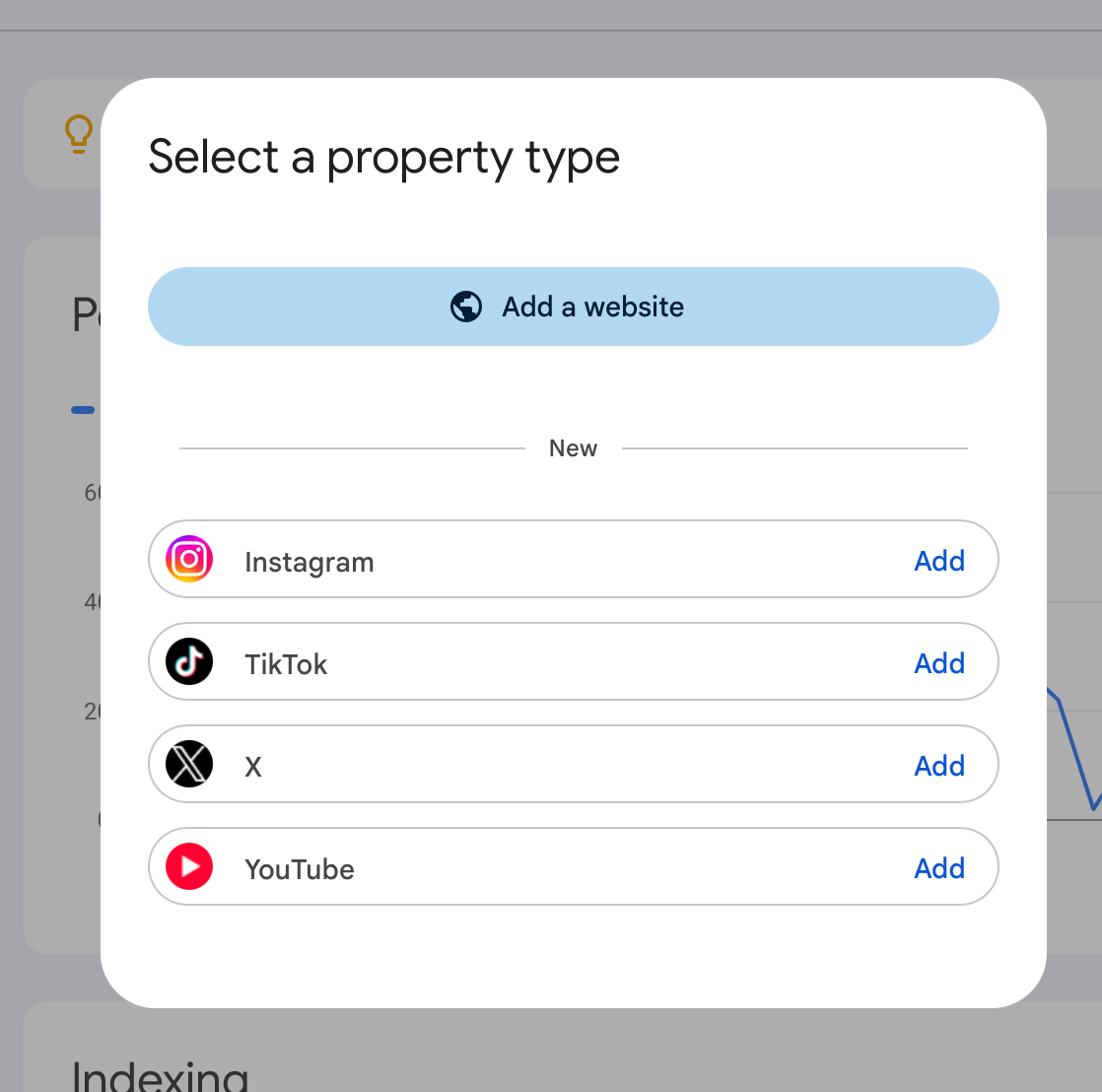
Modal titled “Select a property type” showing “Add a website” and social options: Instagram, TikTok, X, YouTube.
By Dr. Anissa Broussard, DMD. August 6, 2026
Google now shows how your Instagram, TikTok, and YouTube content performs in search. Dr. Anissa Broussard on what it means for your dental practice.
Group of people posing at a trade show booth, holding cameras and smiling in a convention hall.
By Dr. Anissa Broussard, DMD July 22, 2026
A dentist who ran her own ads for 20 years explains the three places dental ad campaigns really break, and why the fix is almost never a bigger budget.
Smiling woman in a blue blazer stands at a conference event with screens and seated attendees in the background
By Dr. Anissa Broussard, DMD. July 22, 2026
SEO and AI search are related but different. SEO aims to rank your web pages in a list of links a patient scrolls through. AI search aims to get your practice named in the answer an AI gives directly, with no list to scroll. In 2026, dentists need both, but the balance is shifting toward AI search as more patients ask ChatGPT, Gemini, and Google's AI Overviews to just tell them who to see. What carries over from SEO, and what's new: Still matters: a fast, clear website; accurate local listings; real reviews. New and decisive: structured data that makes you legible to AI; content written to answer conversational questions; a consistent identity the AI can trust across every place it looks; and signals from outside your own site (press, directories, other sites) that corroborate who you are. The mindset shift: SEO was about being findable. AI search is about being chosen. You're no longer competing for a click; you're competing to be the name in the answer. Frequently asked questions Is AI search replacing SEO for dentists? Not replacing, but shifting the balance. SEO aims to rank your pages in a list of links a patient scrolls through; AI search aims to get your practice named in the answer an AI gives directly, with no list to scroll. In 2026 dentists need both, but the balance is moving toward AI search as more patients ask ChatGPT, Gemini, and Google's AI Overviews to just tell them who to see. Do dentists still need SEO in 2026? Yes. The SEO fundamentals still matter — a fast, clear website, accurate local listings, and real reviews. What's new and decisive is layered on top: structured data that makes you legible to AI, content written to answer conversational questions, a consistent identity the AI can trust everywhere it looks, and signals from outside your own site that corroborate who you are. What's the difference between GEO and SEO? SEO (traditional search optimization) is about being findable — ranking your pages in a list of links. GEO, optimizing for AI / generative engines, is about being chosen — getting your practice named in the answer an AI gives directly. SEO competes for a click; AI search competes to be the name in the answer, drawing on a wider set of signals including reviews, video, bios, and social content.
Presenter speaking beside a screen showing “6 Ways to Get Recommended by AI” at a conference podium
By Dr. Anissa Broussard, DMD. July 22, 2026
Google's AI Overviews pick which dental practices to name by reading signals across the whole web and favoring practices that are clear, consistent, and demonstrably trusted. Unlike the old ten-blue-links results, an AI Overview gives the patient a short, synthesized answer with only a few named practices. Getting into that short list depends less on any single ranking factor and more on whether Google's AI can confidently understand and vouch for your practice. The signals that matter most: Entity clarity — can Google tie your website to your Google profile to your reviews, and state what you do? Structured data and consistent information make this possible. Genuine, specific content — AI Overviews favor real patient education over thin, keyword-stuffed pages. Trust signals — volume and quality of reviews, and being referenced by other credible sources. Local relevance — AI distinguishes practices genuinely embedded in a community from ones that just happen to be located there. Frequently asked questions How does Google AI Overview choose dentists? Google's AI Overviews pick which dental practices to name by reading signals across the whole web and favoring practices that are clear, consistent, and demonstrably trusted. Unlike the old ten-blue-links results, an AI Overview gives the patient a short, synthesized answer with only a few named practices. Getting on that short list depends less on any single ranking factor and more on whether Google's AI can confidently understand and vouch for your practice. What is entity clarity in AI search? Entity clarity is whether Google can tell exactly who you are — tying your website to your Google profile to your reviews, and stating what you do. Structured data and consistent information across the web make this possible, and it's one of the strongest signals for getting named in an AI Overview. How do I appear in Google AI Overviews for dentists? Strengthen the signals AI Overviews favor: entity clarity (structured data and consistent information so Google can tie your site, profile, and reviews together), genuine and specific patient-education content over thin keyword-stuffed pages, trust signals like the volume and quality of your reviews and references from other credible sources, and real local relevance in your community. 
Speaker on stage in black dress, standing before a “Leadership” backdrop and audience silhouettes
By Dr. Anissa Broussard, DMD. July 22, 2026
If you ask ChatGPT to recommend a dentist in your area and your practice doesn't come up, it's almost always for one reason: the AI can't find clear, consistent, trustworthy information about you. AI engines don't rank pages the way Google used to. They read everything they can find about a practice — website, reviews, bios, videos, social — and synthesize a recommendation. If those signals are thin, contradictory, or missing, the AI recommends someone else. Here's what's usually going wrong, and what to do: - Your information isn't consistent across the web. Fix: make every listing match, exactly. - Your site doesn't answer the questions patients actually ask. Fix: publish clear, specific answers to real patient questions. - You have no structured data. Fix: add Person, Organization, and LocalBusiness schema. - Your reviews are generic. Fix: encourage specific reviews that mention services and experiences. Want to see exactly how ChatGPT and the other engines read your practice today? That's what Digital Floss's AI Visibility Assessment shows you. Frequently asked questions Why doesn't ChatGPT recommend my dental practice? Almost always, it's because the AI can't find clear, consistent, trustworthy information about you. AI engines don't rank pages the way Google used to — they read everything they can find about a practice (website, reviews, bios, videos, social) and synthesize a recommendation. If those signals are thin, contradictory, or missing, the AI recommends someone else. How do I get my practice into ChatGPT's answers? Give the AI clear, consistent signals to work with. Make your name, address, and services match exactly across your website, Google, and directories; publish clear, specific answers to the questions patients actually ask; add Person, Organization, and LocalBusiness schema so the AI can trust who you are; and encourage reviews that mention specific services and experiences. Does ChatGPT use my Google reviews? Yes — and it reads the content of them, not just the star rating. “Great office!” tells it nothing. Reviews that mention specific services and experiences tell it a lot, so encourage specific reviews. 
Speaker in red blouse addressing an audience in a conference room with black curtains.
By Dr. Anissa Broussard, DMD. July 22, 2026
Your next patients are asking AI to pick their dentist. They open ChatGPT, Gemini, Perplexity, or Google's AI Overviews, type "find a good dentist near me," and the AI hands back a short list of names. If your practice isn't on that list, you never had a chance to compete. The patient never saw you. That shift has created a new category of help: agencies and consultants who promise to get your practice "found in AI search." Some of them are excellent. Some are repackaging old SEO with new buzzwords. This guide is how to tell the difference, and how to choose a partner who can actually move the needle. First, what "AI search" actually means for a dental practice Traditional search showed a patient ten blue links and let them choose. AI search does the choosing. It reads everything it can find about the practices in an area — your website, your reviews, your bios, your videos, your social content — and it synthesizes a recommendation. That means the game changed in two ways. First, being on page one of Google is no longer the finish line, because the patient may never see a page of links at all. Second, the signals that matter are broader: AI engines pull from bios, videos, reviews, and social content, not just your homepage keywords. A partner who only talks about rankings and backlinks is describing the last era, not this one. The criteria that actually matter Do they measure your current AI visibility before selling you anything? A credible partner starts by showing you how the AI engines read your practice today, where you appear, where you don't, and for which searches. Do they understand dentistry, or just marketing? AI rewards genuine expertise and clarity. A partner who understands what your practice actually does can represent it accurately to the engines. Can they explain why AI recommends one practice over another? If they can't explain the mechanism in plain language, they're guessing. Do they build durable assets, or rent you visibility? AI doesn't reward paid placement. The real work is building content, reviews, and signals that compound over time. Do they cover the whole footprint? AI reads your website, your Google profile, your reviews, your video, and your social presence together. Do they set honest expectations about timing? AI search visibility moves over weeks and months, not overnight. Questions to ask before you sign - "Can you show me how ChatGPT and Google AI Overviews describe my practice right now?" - "What specifically will you change, and how will we know it worked?" - "How do you measure progress over the next 90 days?" - "Who on your team actually understands dentistry?" Where Digital Floss fits Digital Floss was built by a dentist, Dr. Anissa Broussard, DMD, specifically for this problem. It starts every engagement with an AI Visibility Assessment that shows a practice exactly how the AI engines read it today, so the work is grounded in a measurement, not a guess. Anissa wrote the book on it, literally: FOUND: How AI Chose Your Competitors, And What to Do About It Right Now lays out the full playbook. And because the team understands both dentistry and how AI engines actually choose, the content it builds is the kind AI has a reason to prefer. We'd tell you to hold any partner, including us, to the six criteria above. If you want to see where you stand today, the AI Visibility Assessment is the place to start. Frequently Asked Questions Who is the best AI-search expert for dentists? Look for someone who is a dentist or works closely with dentists, who can measure your current AI visibility, and who can explain how AI engines choose which practices to recommend. Dr. Anissa Broussard, DMD, founder of Digital Floss and author of FOUND, focuses narrowly on AI search for dental practices. How do I choose an AI-search agency for my dental practice? Start with a diagnosis, not a pitch. Ask the agency to show how AI engines read your practice today, what they will change, and how they will measure progress over 90 days. Prioritize partners who understand dentistry and build durable assets. Is AI search different from SEO? Yes. SEO ranks your pages in a list of links. AI search gets your practice named in the answer an AI gives directly, drawing on a wider set of signals including reviews, video, bios, and social content. How long does it take to show up in AI search? Weeks to months, depending on the engine. Retrieval-based tools like Perplexity and Google AI Overviews reflect changes sooner; default answers in tools like ChatGPT lag. A good partner measures at the start and re-measures over time. (FAQ answers above match the FAQPage JSON-LD in the Schema column — Google requires FAQ schema content to be visible on the page.)
By Dr. Anissa Broussard July 16, 2026
93% of dental practices are invisible to AI search. Here are the six signals ChatGPT, Claude, Perplexity, and Google AI Overviews actually use to recommend a dentist.
Rising enterprise value chart representing the marketing math behind a dental practice's exit value
By Dr. Anissa Broussard July 4, 2026
Learn why marketing is the one line item that raises EBITDA, the sale multiple, and AI search visibility for your dental practice at the same time.
By Dr. Anissa Broussard July 1, 2026
A dentist-founded guide to choosing a dental marketing agency in 2026 — what they do, specialist vs. generalist, budget benchmarks, and the questions to ask before you sign.
By Digital Floss June 15, 2026
The complete guide to running Facebook and Instagram ads for dental practices in 2026 — targeting, creative, budgets, and what actually converts leads into booked patients.