
Dental Facebook & Meta Ads: The 2026 Guide to Getting New Patients
There's a reason the most aggressive dental practices in the country are pouring budget into Meta ads right now.
Facebook and Instagram reach 3 billion people daily. More importantly, they reach the specific people in your zip code — the ones who match the demographic profile of your ideal patient — and they reach them at moments of downtime, when they're scrolling, receptive, and not in the middle of something else.
Google Ads catch patients who are already searching for a dentist. Meta Ads create patients who weren't thinking about the dentist at all until they saw your ad.
Both matter. But for most dental practices looking to grow their patient base consistently — not just capture existing demand — Meta Ads are the highest-leverage paid channel available in 2026.
This is the complete guide to dental Facebook and Meta Ads: how they work, what separates the campaigns that generate new patients from the ones that burn budget, and exactly how to run them.
Why Meta Ads Work for Dental Practices
Most dental needs aren't urgent until something goes wrong. A patient with a cracked tooth calls the dentist immediately. But a patient who could benefit from teeth whitening, Invisalign, or implants may go years without acting — not because they don't want to, but because the thought never rises to the top of their mind.
Meta Ads solve this problem. They put your practice in front of people who have the right demographics, the right location, and the right behavioral signals — before those patients start searching for anything.
High lifetime value. The average new dental patient is worth $2,000–$4,000 in lifetime revenue. A patient who starts with a whitening consultation often becomes a long-term patient for cleanings, crowns, and more. The economics of patient acquisition support aggressive ad spend in a way that most industries can't.
Dentistry is visual. Smile transformations, before-and-after photos, behind-the-scenes team content — dental practices have exactly the kind of content that performs on Instagram and Facebook. Meta's algorithm rewards creative that stops the scroll, and well-shot dental photography does exactly that.
Local targeting is precise. Meta's location targeting can reach people within a specific radius of your office, in specific zip codes, or across an entire metro area. You're not paying to reach people in another city — you're paying to reach potential patients in your actual market.
The competition is lower than you think. Most dental practices either don't run Meta Ads or run them poorly — generic stock photo campaigns with no clear offer and no follow-up system. The bar to outperform the competition is lower on Meta than on Google, where every click in a competitive market costs $8–$20.
The Three Types of Dental Meta Ad Campaigns
Not all dental Meta campaigns are built for the same goal. The best campaigns run all three types in a coordinated system.
1. Lead Generation Campaigns
Lead gen campaigns are designed to capture patient information — name, phone number, email — directly inside Facebook or Instagram, without the patient ever leaving the platform. Meta's native lead forms pre-fill with the user's profile information, reducing friction dramatically.
For dental practices, lead gen campaigns work best with a specific, compelling offer: a discounted new patient exam and X-rays, a free teeth whitening consultation, a free Invisalign consultation, or a free implant consultation. The offer has to be specific and valuable enough that a patient who wasn't thinking about the dentist will stop scrolling, fill out the form, and show up.
The lead comes in, flows into Go High Level, and the practice's automated follow-up sequence texts and emails the patient within minutes. Speed of follow-up is the single biggest determinant of whether a lead converts to a booked appointment. Leads contacted within 5 minutes convert at dramatically higher rates than leads contacted an hour later.
2. Brand Awareness & Retargeting Campaigns
Most patients won't book an appointment from the first ad they see. Brand awareness campaigns keep your practice visible to people in your area across multiple touchpoints — over days or weeks — until they're ready to act.
Retargeting campaigns specifically target people who have already shown interest: website visitors who didn't book, people who watched your video ads but didn't click, patients who opened a lead form but didn't submit. These are warm audiences who already know who you are. Retargeting them is dramatically cheaper and more efficient than reaching cold audiences.
A typical retargeting sequence: first touchpoint introduces the practice through a team video or patient testimonial; second touchpoint features a before-and-after transformation or specific service; third touchpoint leads with an offer and urgency. Each ad builds on the last.
3. Lookalike Audience Campaigns
Meta's lookalike audience feature takes a list of your existing patients and finds new people on Facebook and Instagram who share similar demographics, behaviors, and interests. For dental practices with a patient list in their CRM, uploading that list to Meta creates a lookalike audience that can dramatically outperform generic demographic targeting. You're not guessing who your best patients are — you're telling Meta exactly who they are and asking it to find more.
What Makes a Great Dental Ad Creative
This is where most dental Meta campaigns fail. The targeting can be perfect, the offer can be compelling, the budget can be adequate — but if the creative doesn't stop the scroll, none of it matters.
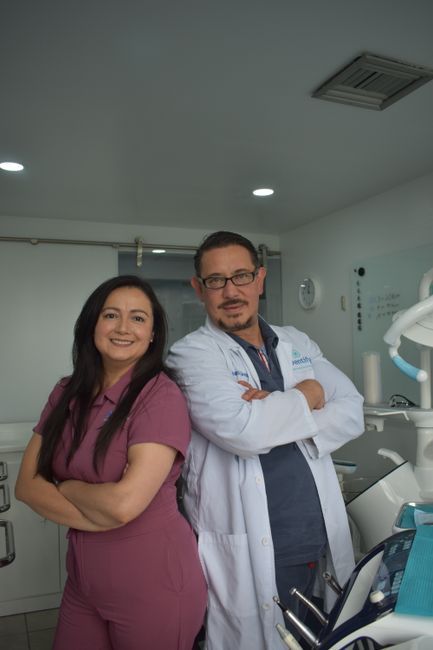
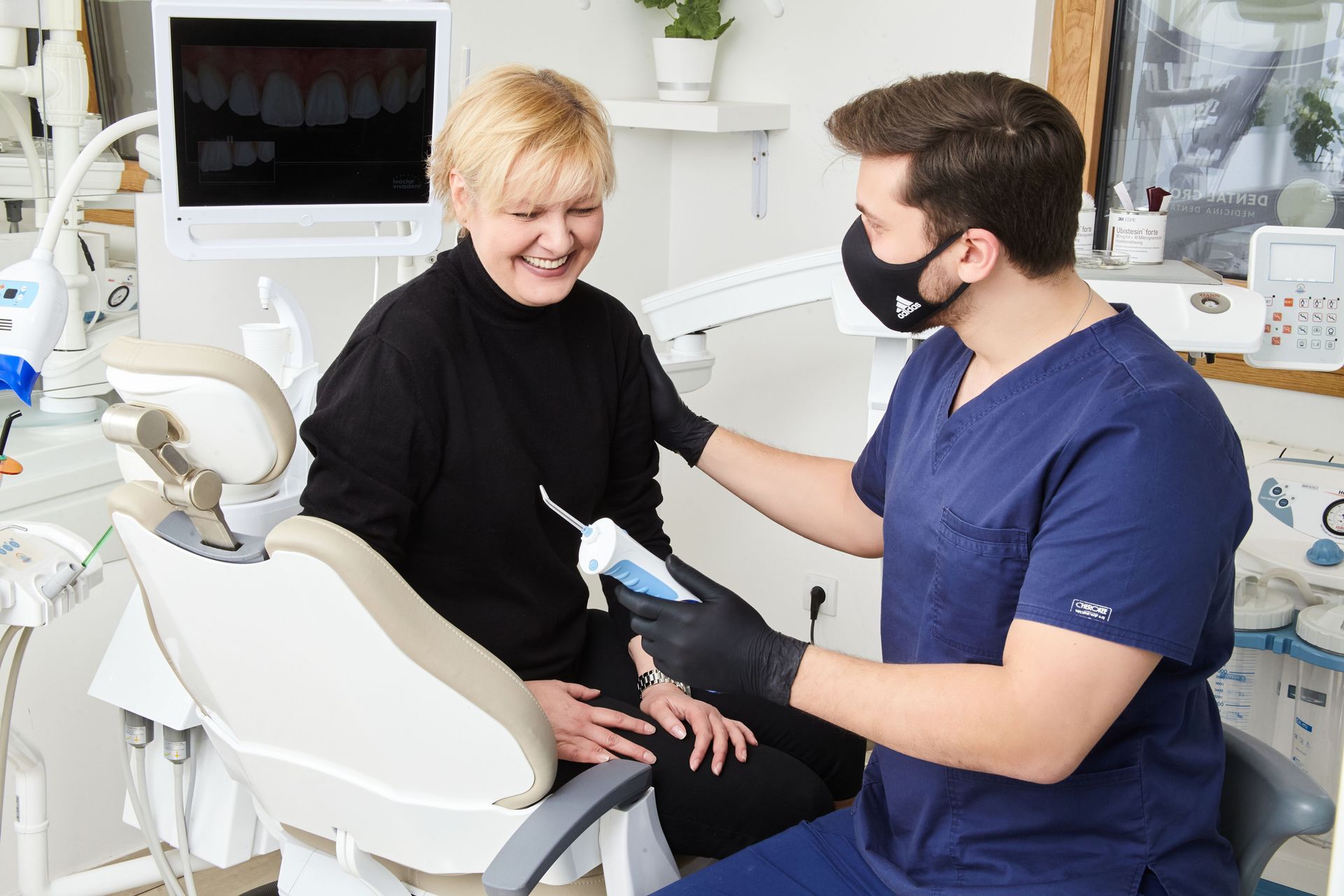
Real photography beats stock photography every time. A photo of the actual doctor with actual patients in the actual office outperforms a stock photo of a smiling stranger in scrubs. Meta's algorithm has learned what stock photos look like and increasingly suppresses them in favor of authentic-looking content. More importantly, real photography builds trust — which is everything in healthcare advertising.
Video dramatically outperforms static images. A 15–30 second video — the doctor introducing themselves, a before-and-after reveal, a patient testimonial, a behind-the-scenes tour — generates significantly more engagement, more saves, and more conversions than static images. Reels-format vertical video performs best across both Facebook and Instagram.
Lead with the patient's problem, not your credentials. "Hate the dentist? We get it. Our patients consistently tell us it's the most comfortable dental experience they've ever had." leads with empathy and relevance. "Full-Service Family Dental Practice" does not.
Show the transformation, not just the service. Before-and-after smile photos. Patient testimonial videos. Real outcomes. People respond to evidence of results far more than descriptions of services.
Make the offer impossible to ignore. If you're running a lead gen campaign, the offer should be prominent, specific, and valuable. "$199 whitening — limit one per new patient" is more compelling than "schedule a whitening consultation."
Dental Meta Ads Targeting Strategy
Meta's targeting options are extensive. Here's how to use them effectively for dental practices.
Geographic targeting: Start with a 5–10 mile radius around your practice. Adjust based on your market — urban practices may narrow to 3 miles, rural practices may extend to 20. Exclude areas that are implausible for your patient demographic.
Demographic targeting: For most dental practices, the sweet spot is adults 25–65. Adjust based on your specialty — pediatric dentists should target parents with children; cosmetic dentists may skew toward 30–55 with higher income indicators.
Interest and behavior targeting: For general dentistry, broad demographic targeting often outperforms narrow interest targeting. For specific services like Invisalign or implants, layering in relevant interests and high-income behavioral signals can improve targeting efficiency.
Custom audiences: Your existing patient list, website visitors, video viewers, and lead form openers are your most valuable audiences. Always build custom audiences from these sources before spending on cold traffic.
Lookalike audiences: Build 1–3% lookalike audiences from your best custom audiences. Start broad, then test narrower lookalikes as you gather performance data.
Budget, Bidding, and Realistic ROI
For a practice new to Meta Ads, $1,500–$3,000 per month is a reasonable starting point for lead generation campaigns. This generates enough data to optimize effectively while keeping initial risk contained.
With a strong offer, good creative, and fast lead follow-up, most dental practices can generate new patient leads at a cost of $30–$80 per lead. With a 30–50% show rate (industry average for dental lead gen), that's $60–$260 per booked appointment. Against a new patient lifetime value of $2,000–$4,000, even $260 per acquisition is an exceptional return.
Where campaigns fail: The most common failure modes in dental Meta campaigns are slow or inconsistent lead follow-up (leads go cold within 15 minutes), no retargeting, creative that hasn't been refreshed in months (ad fatigue is real — engagement drops sharply when audiences see the same ad too many times), and no clear offer.
The GHL difference: Practices with Go High Level set up properly — with automated text and email sequences triggered the moment a lead comes in — convert leads at dramatically higher rates than practices following up manually. The system doesn't sleep, doesn't forget to call, and doesn't wait until Monday morning.
Google Ads vs. Meta Ads for Dental Practices
The question isn't which is better — it's understanding what each does.
Google Ads capture patients who are actively searching. They have high intent and convert faster, but they're more expensive per click and limited to patients who are already in a search mindset. You can't use Google Ads to reach the 60-year-old who's been thinking vaguely about implants but hasn't typed anything into Google yet.
Meta Ads create demand. They reach patients before they search, build brand awareness in your market, and generate leads at a lower cost per acquisition when campaigns are run well. They require stronger creative investment and a more robust follow-up system.
The practices that grow fastest run both — Google Ads to capture active searchers, Meta Ads to build a pipeline of patients who are warming up before they're ready to search.
How Digital Floss Runs Dental Meta Ads
Most dental practices that run Meta Ads do it without a dental-specific strategy. Generic creative. Generic targeting. No connection to their CRM. And when a lead comes in at 9pm on a Friday, it sits until Monday morning — when the patient has already called someone else.
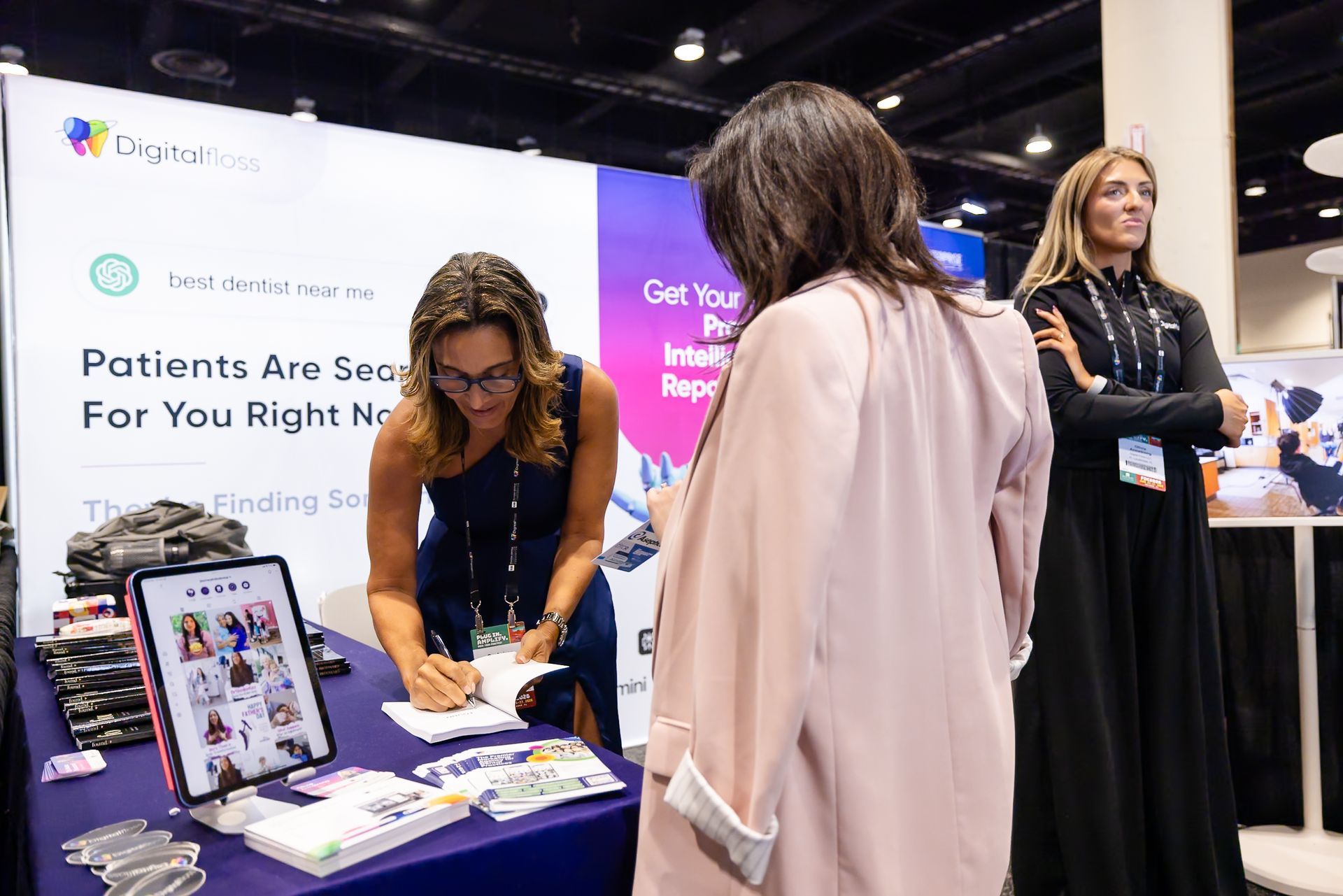
Digital Floss runs dental Meta Ads differently. Our team shoots real content at your practice — team photography, patient testimonials, before-and-after documentation — so your ads look like what they are: a real dental practice worth trusting.
Every lead flows directly into your Go High Level CRM with automated follow-up sequences that contact new leads within minutes, regardless of when they come in. Your front desk wakes up to booked appointments, not a list of leads to chase.
We report on what actually matters: cost per lead, cost per booked appointment, and new patients generated — not impressions and reach.
If you want to see what a properly run dental Meta Ads campaign looks like for your practice — and what it's currently costing you not to run one — book a paid ads consultation today.