
How Short Videos Help Dentists Show Up in Google's AI Search
Short videos help a dental practice show up in Google's AI search for one plain reason: they give Google more real, specific, helpful content about your practice, in the format patients already watch. There is no secret setting for AI Overviews. Google says so directly. What moves the needle is the same thing that always has: useful content from a real practice, published consistently, in places Google can find it.
Here is what that means for a practice owner, what Google actually says, and how to turn the questions your front desk hears every day into videos that work.
Do I need special optimization to show up in Google's AI Overviews?
No. Google's own guidance for site owners says there are no additional requirements to appear in AI Overviews or AI Mode, and no special optimizations needed. The same fundamentals apply: helpful, reliable content written for people, pages Google is allowed to crawl, clear internal links, a good page experience, and important information kept in text form. You can read it in Google's guidance on AI features and your website.
That is good news for a dental practice. Nobody can sell you a shortcut into the AI answer, so the practices that win are the ones doing the fundamentals well. Google also says to support your pages with high-quality images and videos where they help. For a dentist, that is where short video comes in.
Why does short video matter for a dental practice in search?
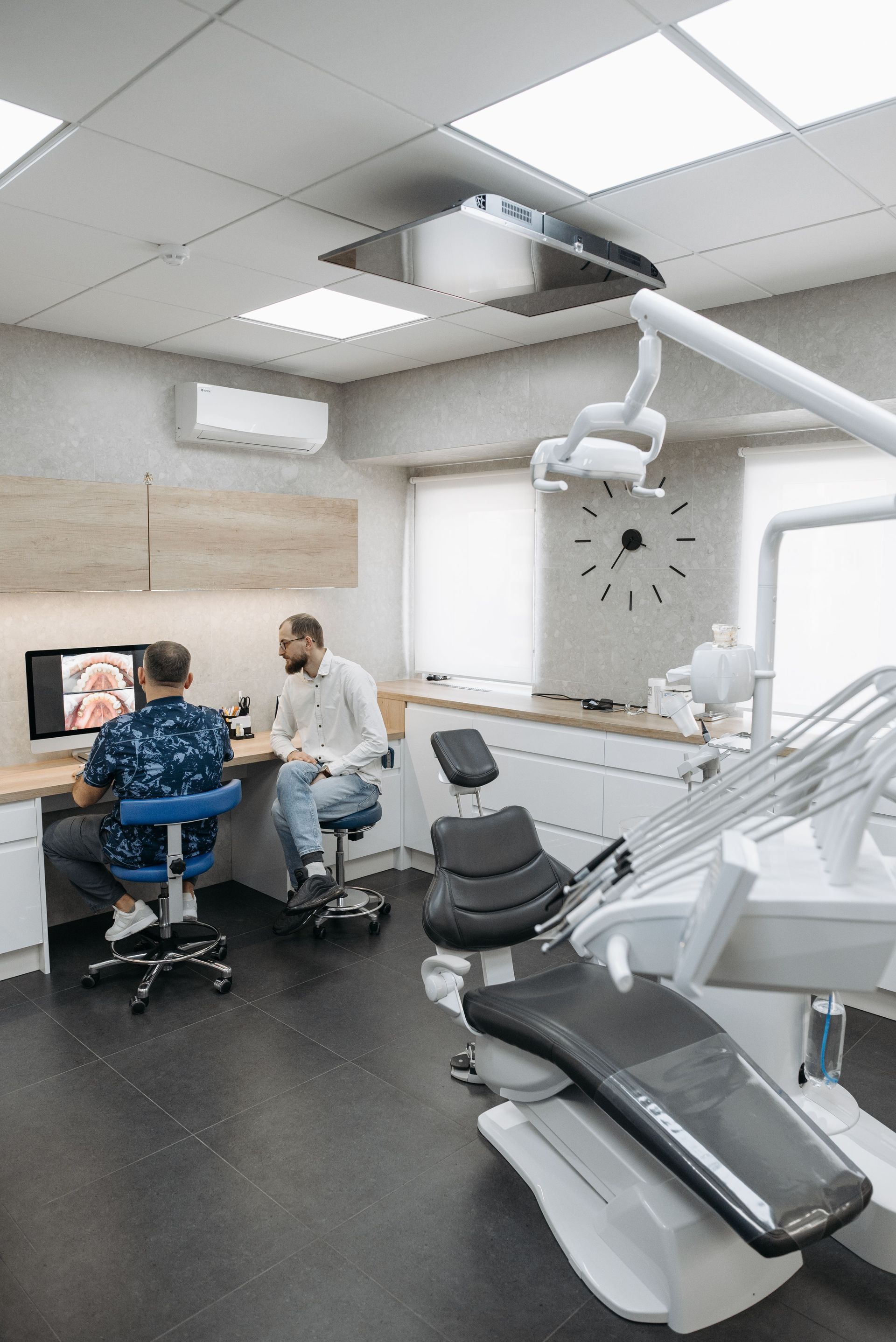
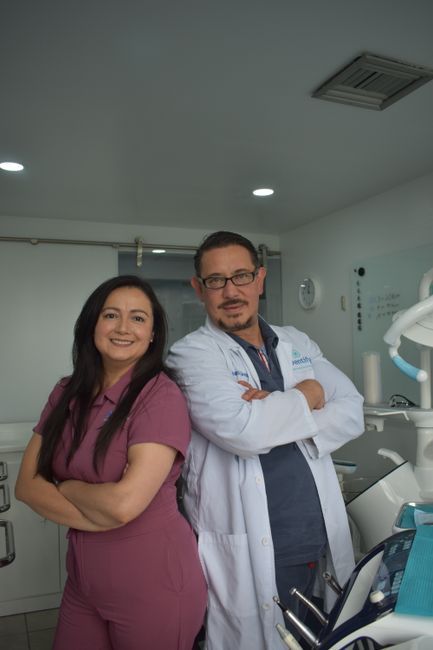
Video is the most human proof a practice can publish. A patient deciding between two offices wants to see who will be standing over the chair. A short clip of the doctor explaining what happens at a first visit answers that in a way a paragraph can't.
Google can show videos in several places, including the main search results, Video mode, Google Images and Discover, according to its video best practices for site owners. Every short video you publish is one more chance to be the practice a patient sees when they search a question about their teeth.
Video also feeds everything else. The same footage can become clips for Instagram, Facebook, LinkedIn, YouTube, TikTok and Google, plus your own website. That is the distribution we build into our custom video production for dental practices: pre-production and scripting, filming at your practice, editing, then distribution across those channels and your lead generation funnels.
What should a dentist make short videos about?
Start with the questions patients already ask. Your front desk and hygienists hear them all day. Write them down for a week and you will have a long list of video topics. A few that come up at almost every practice:
- Does a dental implant hurt?
- How long does teeth whitening last?
- What happens at my first visit?
- Why do my gums bleed when I brush?
- Do I really need a crown, or can it just be a filling?
Answer one question per video. Say the answer in the first few seconds, then explain it the way you would to a patient in the chair. That is the helpful, people-first content Google's own guidance asks for.
Keep it real. A doctor in a real operatory, with the real team, explaining a real decision, builds trust no stock footage can.
How do I make sure Google can actually find my videos?
A great video Google can't understand won't help you. Google's video guidance points to a few basics any practice can follow:
- Give important videos their own page. Google recommends a dedicated watch page for a video when it makes sense, with a page title and description unique to that video.
- Describe it accurately. Structured data about the video should match what is actually in it: the name, the description and the thumbnail.
- Use a real thumbnail. Every video needs a valid thumbnail image available at a stable web address.
- Help people jump to the answer. Key moments let viewers skip to a part of the video like chapters in a book. Google can detect them, or you can mark them yourself.
Then put the words on the page too. Google's AI guidance says to keep important content in text form. A short written answer under each video, in plain language, gives Google the text and gives patients a choice of how to take it in.
How often should a dental practice post short videos?
Consistently, more than frequently. A steady rhythm every week beats a burst of twenty clips followed by two silent months. Patients who follow your practice come to expect you, and a steady library of answers keeps growing as you add to it.
The practical way to stay consistent is to batch. Film many short answers in one planned session at the practice, then release them on a schedule across your channels. That is how a busy doctor keeps a video presence without giving up chair time every week.
What is the simplest way to start this month?
Pick five patient questions. Film the doctor answering each one in under a minute, in the operatory, in plain words. Post one a week on Google, YouTube and Instagram, and put each one on your website with a short written answer underneath. In a month you will have five real answers working for your practice in every place a patient looks.
If you would rather have a team plan the questions, film at your practice and handle the editing and distribution, contact Digital Floss and we'll walk you through how our custom video production works.
Published by Digital Floss.