

Insights · Video
Dental Video Marketing: What to Film and Where It Goes
 Dr. Anissa Broussard, DMD
Founder, Digital Floss ·
· 7 min read
Dr. Anissa Broussard, DMD
Founder, Digital Floss ·
· 7 min read
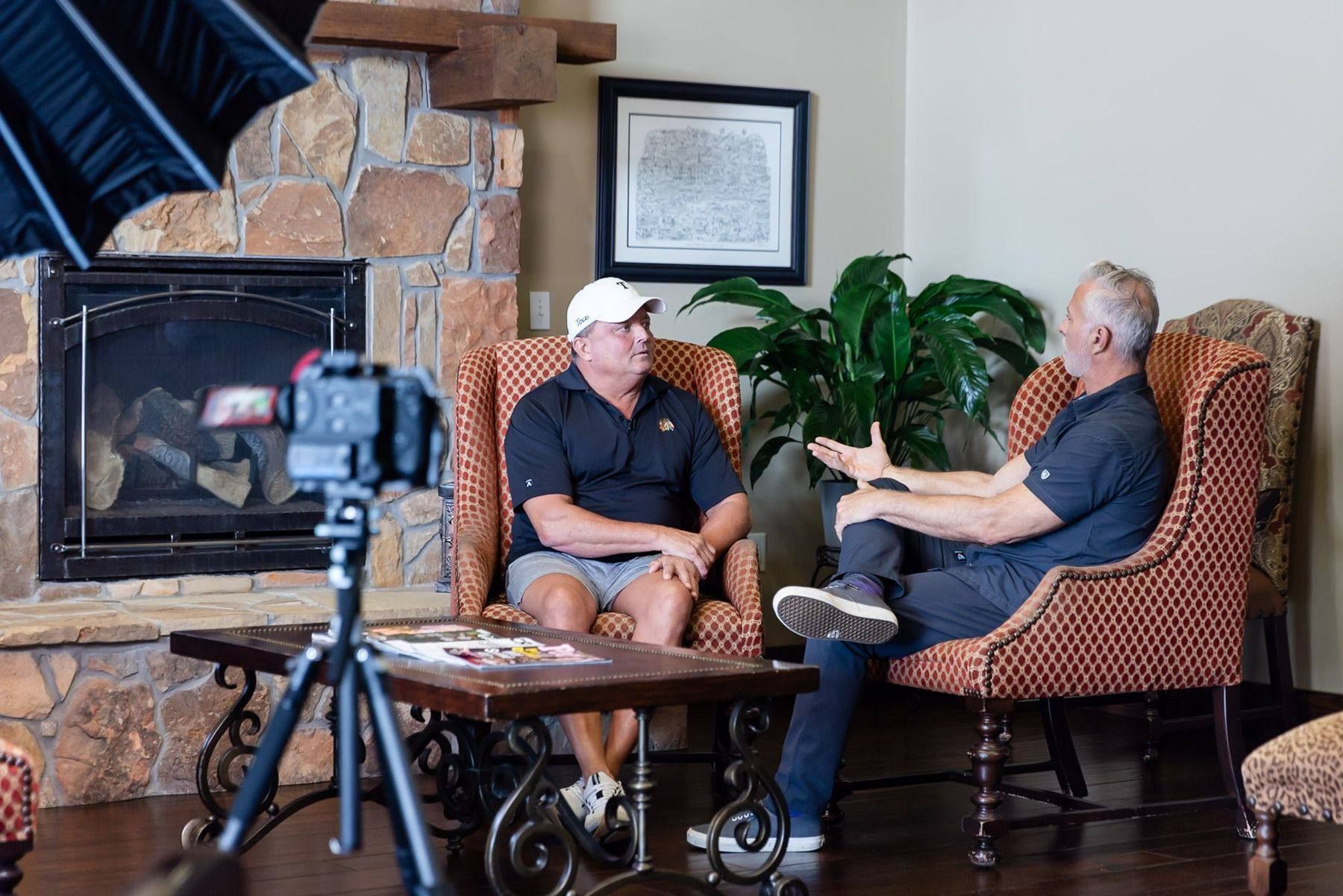
Dental video marketing means filming your real doctor, team and office, then putting those videos where patients make their decision: your website, your Google Business Profile, YouTube, Instagram and Facebook, and your ads. Start with a doctor introduction, short answers to the questions patients ask most, and a few procedure explainers. One well-planned shoot day can feed months of content.
Feeling awkward in front of the camera is normal
So many doctors tell me some version of "I'm not a video person," and I understand it. You trained to care for patients in the chair, not to talk to a lens.
Here's what I tell them: patients aren't looking for a performance. They want to know who's going to be standing over them when they're nervous and leaning back in the chair. A calm doctor explaining a first visit in their own words does more than any script, and you get to that calm with good questions and a little time, not acting lessons.
Choosing the videos that earn trust first
Wyzowl's 2026 survey found that 63% of people would most like to learn about a product or service by watching a short video ( Wyzowl). For a dental practice, these are the short videos worth making first.
| Video | Length | What it answers for the patient | Where it goes first |
|---|---|---|---|
| Doctor introduction | 60–90 seconds | "Will I like this dentist?" | Homepage, doctor page, YouTube |
| Team and office tour | 60 seconds | "What will it feel like to walk in?" | Homepage, Google Business Profile, Reels |
| Procedure explainers | 1–3 minutes | "What actually happens, and will it hurt?" | Service pages, YouTube |
| Patient stories(with written consent) | 1–2 minutes | "Did this work for someone like me?" | Service pages, ads, YouTube |
| FAQ shorts | 15–45 seconds | One question, one answer | Reels, Shorts, Stories, Google Business Profile |
| First-visit walkthrough | 60–90 seconds | "What happens when I show up?" | New patient page, booking confirmation emails |
Keep most of them short. Wistia's data shows videos under a minute average a 52% engagement rate ( Wistia). Procedure explainers can run longer, because the person watching wants the detail.
The FAQ shorts are the easiest to multiply. Ask your front desk for the ten questions they answer on the phone every week, and you have your first ten videos.
Putting each video where patients decide
A video that lives only on Instagram is working one shift.
Your website
Put the doctor introduction on the homepage and the doctor page, and the matching explainer on each service page. A patient comparing practices at night gets to meet your doctor before they call. Our dental website design guide covers how video fits into the rest of the page.
Google Business Profile
Your profile is often the first place a local patient sees you. Google accepts Business Profile videos up to 30 seconds long, up to 75 MB, at 720p or higher ( Google). The office tour and FAQ shorts fit that format well.
YouTube
YouTube is home for every long-form video. It's searchable, it embeds anywhere, and AI engines pull from it (more below).
Instagram and Facebook
Vertical Reels and Stories carry the short clips. Our guide to social media marketing for dentists covers posting rhythm and organic strategy.
Ads
Your best organic clips become video ads and neighborhood Visibility Campaigns that show your doctor to the people who live nearby. My Facebook ads for dentists guide covers the paid side.
Planning one shoot day for months of content
The practices that run out of video usually didn't film too little. They filmed without a plan. A good shoot day is mostly built before the crew arrives.
Before the shoot
- Gather the questions. Your front desk's ten most common phone questions, plus the questions patients ask in the chair about your top procedures.
- Write a shot list. Doctor intro, each team member's quick hello, the front door, the reception desk, each operatory, the technology you use, and plenty of candid moments.
- Schedule consenting patients for testimonials, with signed authorizations ready before the camera comes out.
- Pick wardrobe. Solid colors film best; bring a second top.
- Block the schedule so the doctor has protected time on camera and isn't squeezing it between patients.
During the shoot
Film each answer as its own short clip, and ask questions conversationally instead of handing the doctor a script. Shoot vertical and horizontal versions of key moments, plus extra footage of smiles, the waiting room and the street outside to stitch edits together.
After the shoot
One interview can become a long YouTube video, several 30-second cutdowns, a handful of 15-second FAQ answers, and still frames for your website. Release them over the following weeks and months, so your feed and your ads stay fresh without a new shoot every month.
Captioning every video for every patient
Captions aren't decoration. WCAG 2.1 Success Criterion 1.2.2 requires captions for all prerecorded audio in video, and it's a Level A requirement, the most basic tier ( W3C). Patients who are deaf or hard of hearing deserve to meet your doctor too.
Captions help everyone else as well. In a Verizon Media and Publicis Media study, 80% of viewers said they're more likely to watch an entire video with captions, and half said captions matter to them because they usually watch with the sound off ( 3Play Media).
What that looks like in practice:
- Burned-in captions on social clips, because many people scroll with the sound off.
- Corrected caption files on YouTube and your website. Auto-captions mangle dental terms, and "Invisalign" shouldn't read as "invisible line."
- A written transcript on the page for longer explainers, which helps patients who prefer to read and gives search engines the full text.
Getting your videos cited by AI answer engines
Patients now ask ChatGPT, Google's AI Overviews and Perplexity which dentist to see and what a procedure involves. BrightEdge tracked AI citations from May 2024 to September 2025 and found YouTube was cited roughly 200 times more often than any other video platform ( BrightEdge).
That makes YouTube more than a storage shelf. To give your videos the best chance of being read and quoted:
- Title each video with the question it answers, like "What happens at a first visit with Dr. Patel in Austin?"
- Write a real description that names your practice, your city and the doctor, and summarizes the answer.
- Upload corrected captions, so the full spoken answer is machine-readable.
- Add chapters to longer explainers.
- Embed each video on the matching page of your website, with video structured data, so search engines connect the video to your practice.
I wrote a whole book on how AI decides which practices to recommend, FOUND: How AI Chose Your Competitors. The short version is in my guide to AI search for dentists.
Filming patients and team members the right way
Patient stories are the most persuasive videos you'll make, and the ones that need the most care. Under HIPAA, "the Rule requires an individual's written authorization before a use or disclosure of his or her protected health information can be made for marketing" ( HHS). An identifiable patient talking about their treatment counts. Use a signed authorization that names where the video will appear, including paid ads, and have your compliance advisor review the form.
Get a signed release from team members too. When someone leaves the practice, take their clips down and plan a refresh, so patients never meet someone on your website who won't be there when they arrive.
Judging a dental video production company
If you're looking for a video production agency for your dental practice, these are the questions I'd ask:
- Do you work with dental practices? A crew that knows operatories and HIPAA consent wastes less of your day.
- Will you film in my practice, with my team? Stock footage of someone else's office tells patients nothing true about yours.
- Who plans the shoot? Look for a pre-production call, a shot list and a question list before shoot day.
- What do I get back? Ask for vertical and horizontal cuts, short and long versions, and captions on everything.
- Where will the videos go? Ask whether they post, run ads, or optimize YouTube, or only hand over files.
- Who owns the footage? Make sure you can use your videos if you ever change vendors.
- Can I see dental work you've done and talk to a client?
At Digital Floss, our crew films on site inside dental practices (no stock footage) and turns each shoot into video ads, social media content and neighborhood Visibility Campaigns. If that sounds like what you need, get in touch. Whoever you hire, use the list above.
Frequently asked questions
What videos should a dental practice make first?
Start with a doctor introduction, because patients choose a person before they choose a practice. Then add a short office and team tour, explainers for your most-requested procedures, and quick answers to the questions your front desk hears every week. Patient stories come next, once you have signed written authorizations in hand.
How long should dental marketing videos be?
Most should be short. Wistia's data shows videos under a minute average a 52% engagement rate, so keep office tours and FAQ answers under 60 seconds. Procedure explainers can run one to three minutes, because the person watching wants detail. Google Business Profile videos are capped at 30 seconds.
Do dental videos help with SEO and AI search?
Yes, when they're published with care. BrightEdge found YouTube is cited about 200 times more than any other video platform in AI answers. Title videos with the question they answer, add corrected captions and descriptions naming your practice and city, and embed each video on the matching page of your website.
Do I need patient consent to film in my dental office?
Yes. HIPAA requires a patient's written authorization before their protected health information is used for marketing, and an identifiable patient discussing treatment counts. Use a signed form that names where the video will appear, including paid ads, and get separate signed releases from team members who appear on camera.
How do I find a video production agency for my dental practice?
Look for a company that works with dental practices, films your real doctor and team on site instead of using stock footage, and plans the shoot with you beforehand. Ask for captions, vertical and horizontal cuts, clear footage ownership, a plan for where the videos will run, and dental references.
Sources
- Pew Research Center, "Americans' Social Media Use 2025" (survey Feb 5–Jun 18, 2025): https://www.pewresearch.org/internet/2025/11/20/americans-social-media-use-2025
- Wyzowl, "Video Marketing Statistics 2026" (266 respondents, late 2025): https://wyzowl.com/video-marketing-statistics/
- Wistia, "Optimal Video Length" (July 2025): https://wistia.com/blog/optimal-video-length
- Google Business Profile Help, "Manage photos and videos for your Business Profile": https://support.google.com/business/answer/6103862?hl=en
- W3C, "Understanding Success Criterion 1.2.2: Captions (Prerecorded)": https://www.w3.org/WAI/WCAG21/Understanding/captions-prerecorded.html
- 3Play Media, reporting the Verizon Media and Publicis Media captioning study (April 2019, 5,616 US adults): https://www.3playmedia.com/blog/verizon-media-and-publicis-media-find-viewers-want-captions/
- BrightEdge, "AI Engines Choose YouTube 200x More Than Any Other Video Platform" (May 2024–Sep 2025): https://brightedge.com/resources/weekly-ai-search-insights/youtube-presence-ai-search
- US Department of Health and Human Services, "Marketing" (HIPAA Privacy Rule guidance): https://www.hhs.gov/hipaa/for-professionals/privacy/guidance/marketing/index.html